When you start getting restless, it is a calling for a road trip. This time round, is a massive road trip through the state of Perak.
Perak is where both my parents were born and raised so needless to say that I’ve been here a number of times when I was very little especially during the Lunar New Year when we go back to visit my grandparents. They used to live there but now everyone has moved to the city, KL so we hardly ever visit. Back then and til now, the development of Perak is mostly concentrated in one town, Ipoh which is also the capital city of the Perak state.
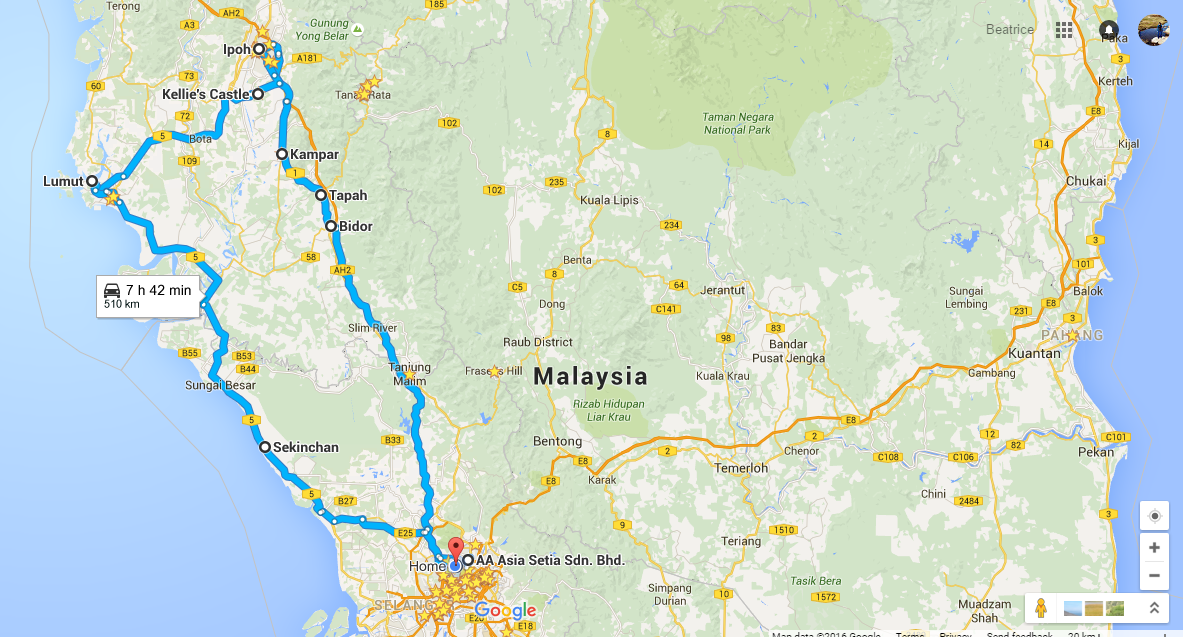
Here’s our driving map. We managed to cover most of the towns, it’s attractions and food over the span of 5 days. (Home – Bidor – Tapah – Kampar – Ipoh – Batu Gajah – Lumut – Teluk Intan – Sekinchan – Home)
So what is it about Perak? Historically, Malaysia has been colonized by the Portuguese, Dutch and the British. There are more in between and if you’re interested, you may read about it further here. Since then, the Portuguese influence is seen heavily in Malacca and the British, in Ipoh. Some buildings in Ipoh’s old town still remained its colonial feature and have yet to change since.
For this trip, we decided to make a few stops through the small towns. These small towns don’t get developed as much and very little has change. Stopping by really gives you a different perspective of Malaysia if you’ve only ever been to KL (Kuala Lumpur).This trip was really about re-discovering Malaysia. At least one part of it. Essentially the drive through small towns, walking under the heat and ordering food without knowing the language (Yes, I know I’m Malaysian but Malaysia is so diverse that different states/towns speak different dialects. We have Malay and Kelantanese, Tamil, and different dialects of the Chinese language)
I have to admit. Malaysia, still a developing country is a bit messy. But it is messy in the right kind of mess like a mixed bowl of salad. Most of the towns we stopped by were small and had not much to do. The least you can do was eat. Each town has its own interpretation of the same type of dish. For example, the chee cheong fan (rice noodle rolls) in Ipoh town is usually made with sesame oil while in Penang, it’s prepared with a type of sweet and sour sauce. I’ll walk you roughly through each town’s famous must-try delicacies and of things to do.
Bidor
Almost didn’t give this town a chance but we finally made a stop to have their famous duck and wanton noodles, in a shop called Pun Chun restaurant. Also take the chance to buy their roast pork baked buns and other Chinese biscuits they sell over there.

Kampar
Well-known for its Kampar fish ball noodles. It’s plain egg noodles either in soup or dry served with fried bean curd skin and fish balls. Also try the curry chicken bread which is curry chicken literally baked inside a bread. Other than its local food, you may opt to take a short walk around and experience the old town.
Ipoh
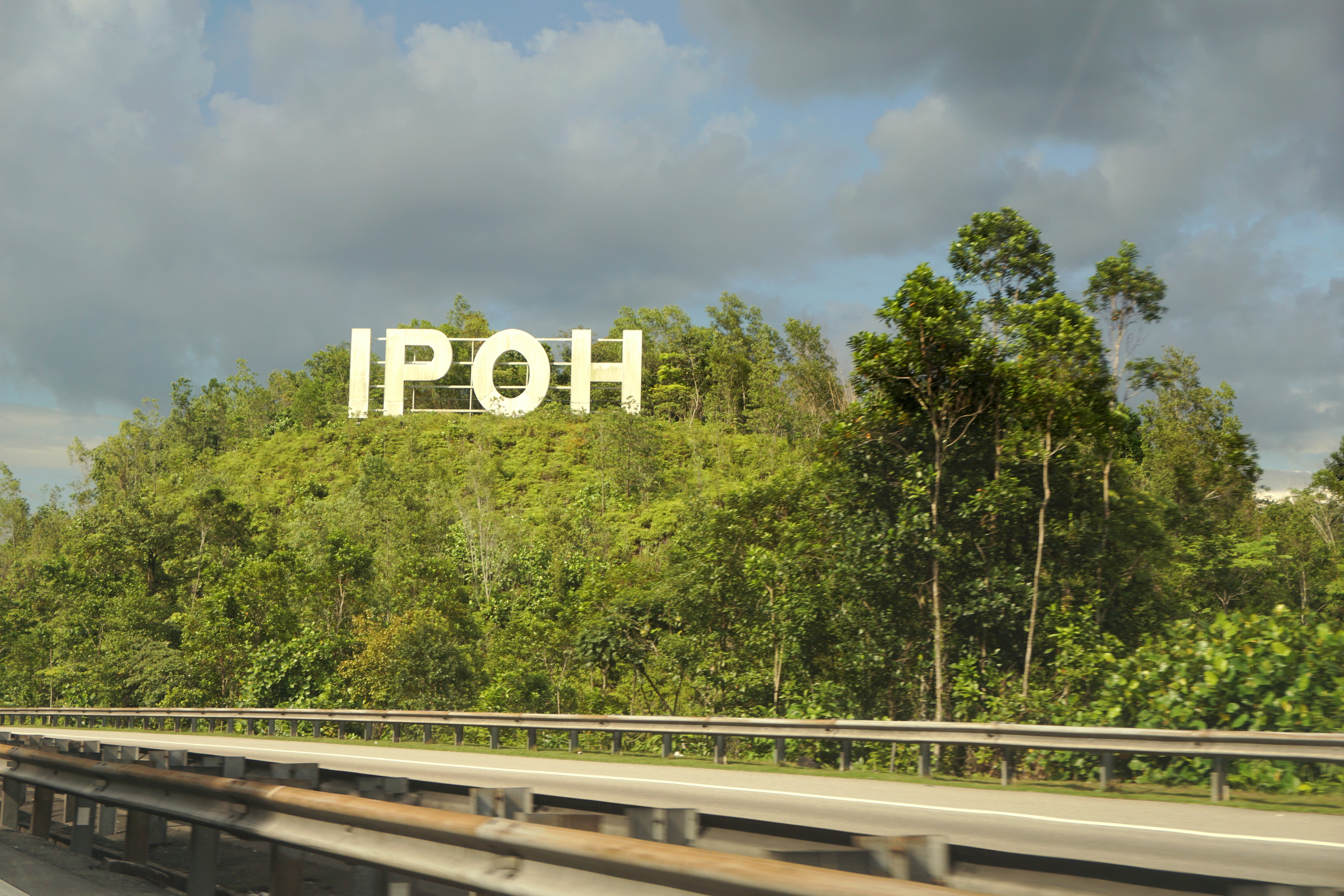
Well, Ipoh is the longest stop you’d want to make from the entire trip. There are many things to do. If you’d want to cover most within a short period, then I suggest you’d do the Ipoh Heritage Trail and for food, head over to the food court, Woolley Food City where you can cover most foods in one order.
Food you must try : Chow Kuay Teow (fried rice noodle), Chee Cheong Fun (rice noodle with sauce), Kai Si Hor Fun (rice noodle soup with chicken), Satay (grilled chicken/beef skewers), Popiah (Fujian-style spring rolls) Tau Fu Fah (soy bean pudding), salted chicken, kaya puffs, egg tarts and many more. These are just the ones worth mentioning. There are many other hidden gems within. I recommend further research.
There are other things you can do within Ipoh include visiting temples, relaxing in hot springs in Banjaran Hotsprings, having a fun day out with the kids in Lost World of Tambun waterpark, and walking through the caves in Gua Tempurung. There are quite a handful when it comes to Ipoh. If you are new, I recommend a few days here.

Lumut
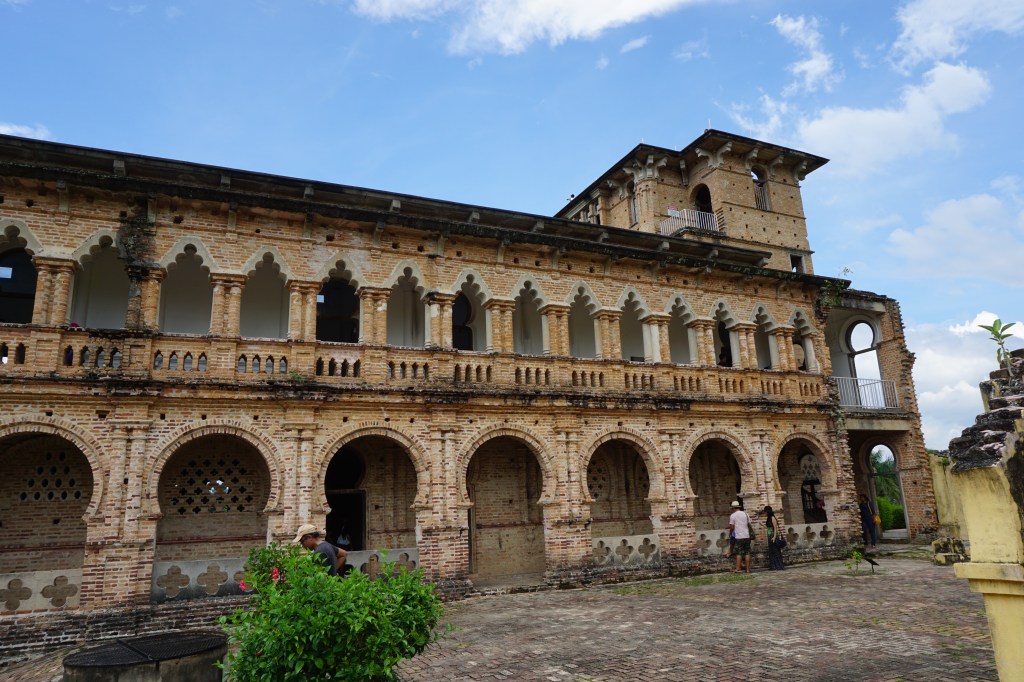
On the way to Lumut from Ipoh, it’s worth while a stop at Kellie’s Castle located in Batu Gajah. It’s an old mansion built by a Scottish planter, named William Kellie Smith. You have to pay a small fee to enter but you will find it well maintained. Lumut is a famous port that gets busy during the holidays. When we visited, there wasn’t much to do really. I would suggest a better use of the time there by taking a ferry out to the Pangkor Islands for a day or two. You’d get to cover some beaches in Malaysia., though most of the nice ones are on the east coast.
Teluk Intan
One of the many towns, famous for our very own leaning tower! Unlike the one in Pisa, this one is a clock tower which was used to store water. Pay a small fee to see what’s inside. Here, unique to Teluk Intan, is having to eat the “chee cheong fun” or steamed ice rolls. This dish here is unique as it serves with turnip. It is also known for its “bak kut teh” meaning “meat bone tea” which goes really well with rice; something very unique to Malaysia, originating from Teochew.

Sekinchan
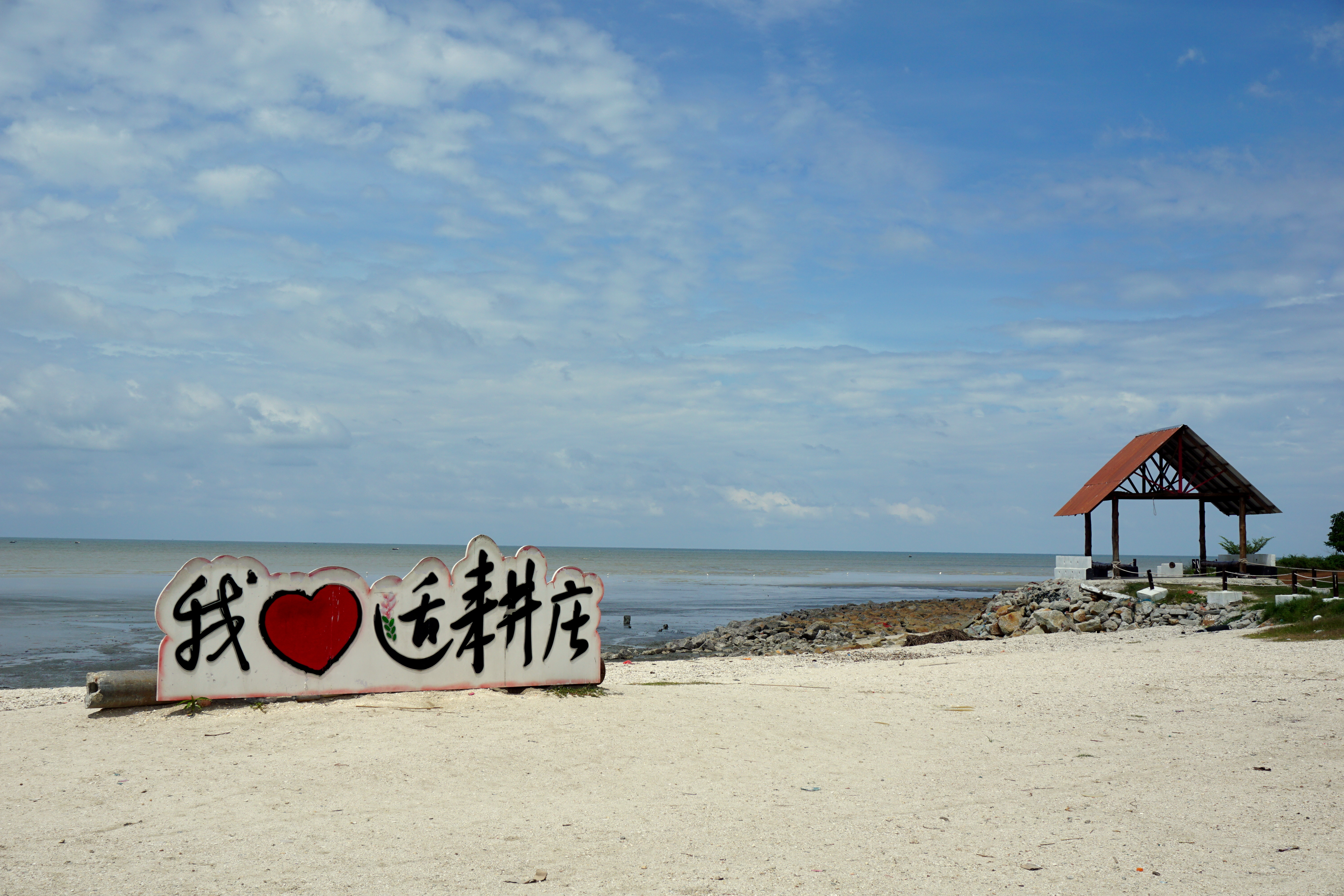
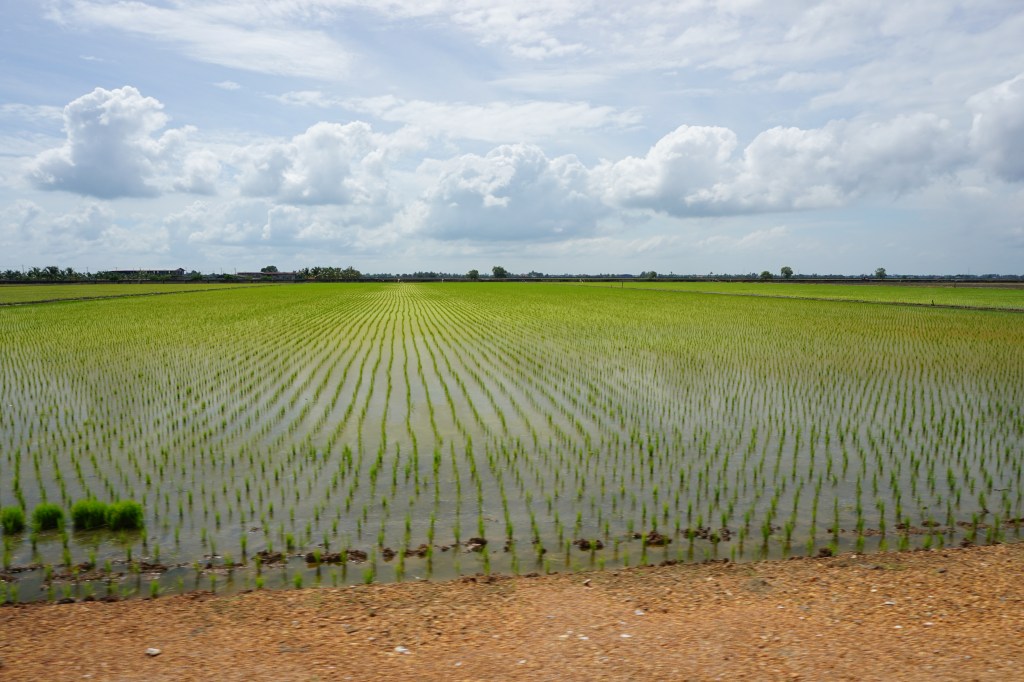
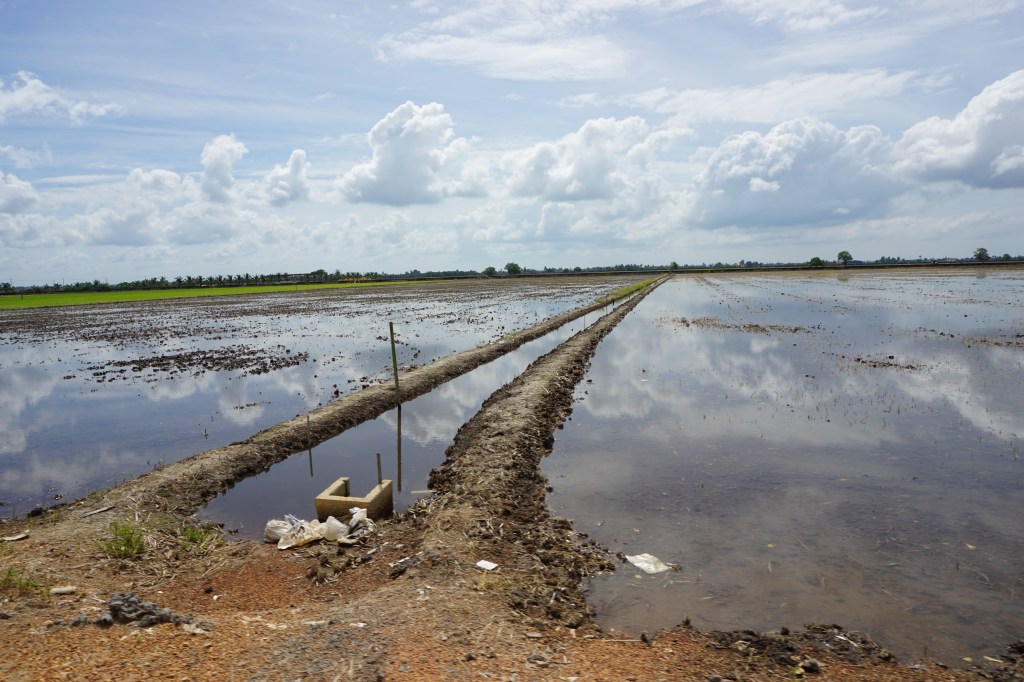
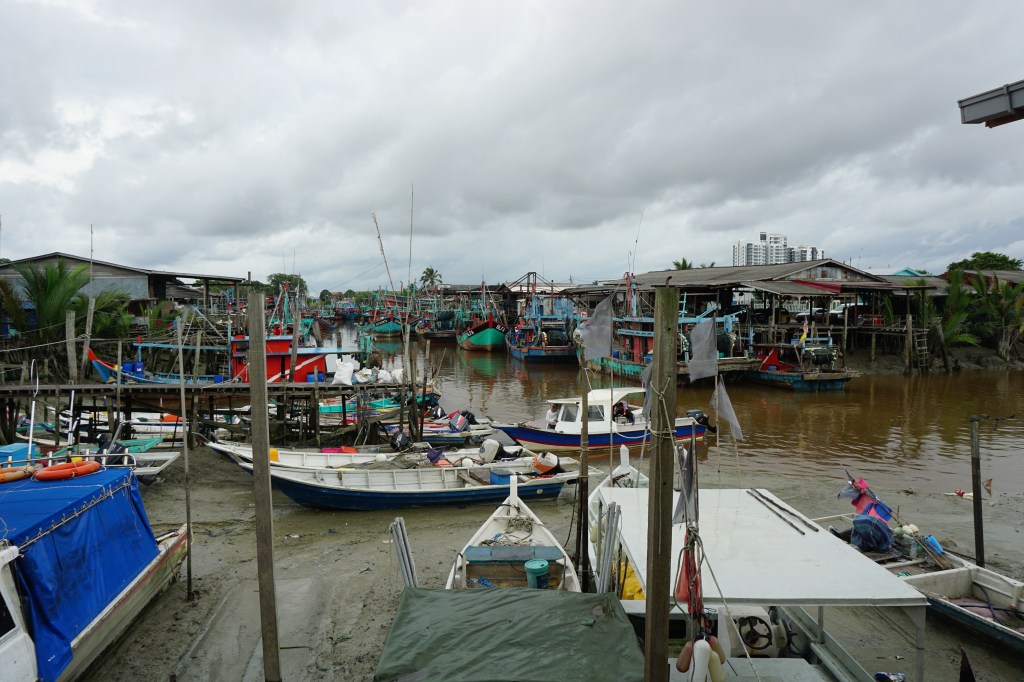
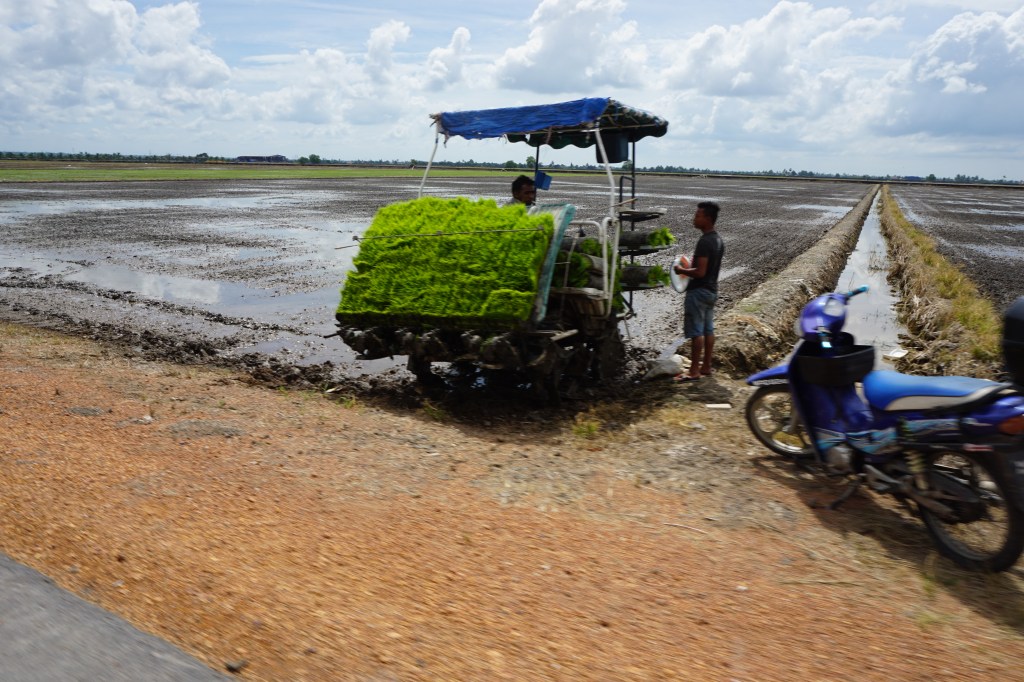
A small fishing village and a haven for rice paddy fields, Sekinchan gets flooded with more and more tourists each day. Interestingly, the fact that it is rich with rice paddy fields comes from the name itself, Sekinchan in Chinese (pronounced as “shi geng zhuang”) means “a village suitable for farming”. It is advisable to come during May and October of the year where it’s all green and picturesque. For more information, visit here. Due to the yearly haze we experience in Malaysia, to find a place with such blue skies is a a gem. I had so many pictures taken, I had to make a gallery especially for Sekinchan.
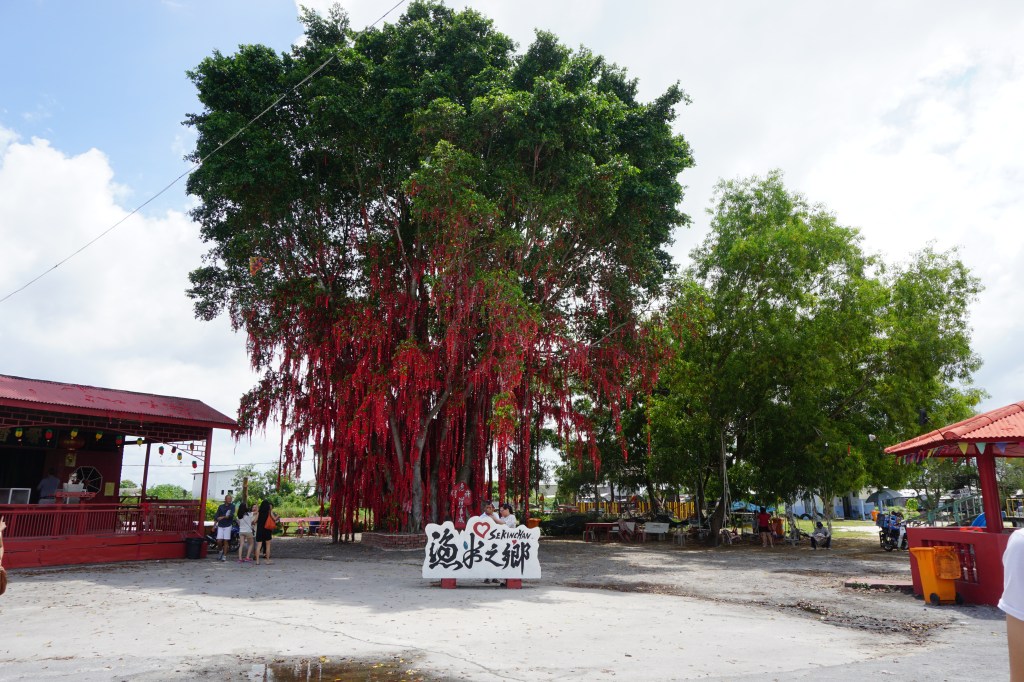
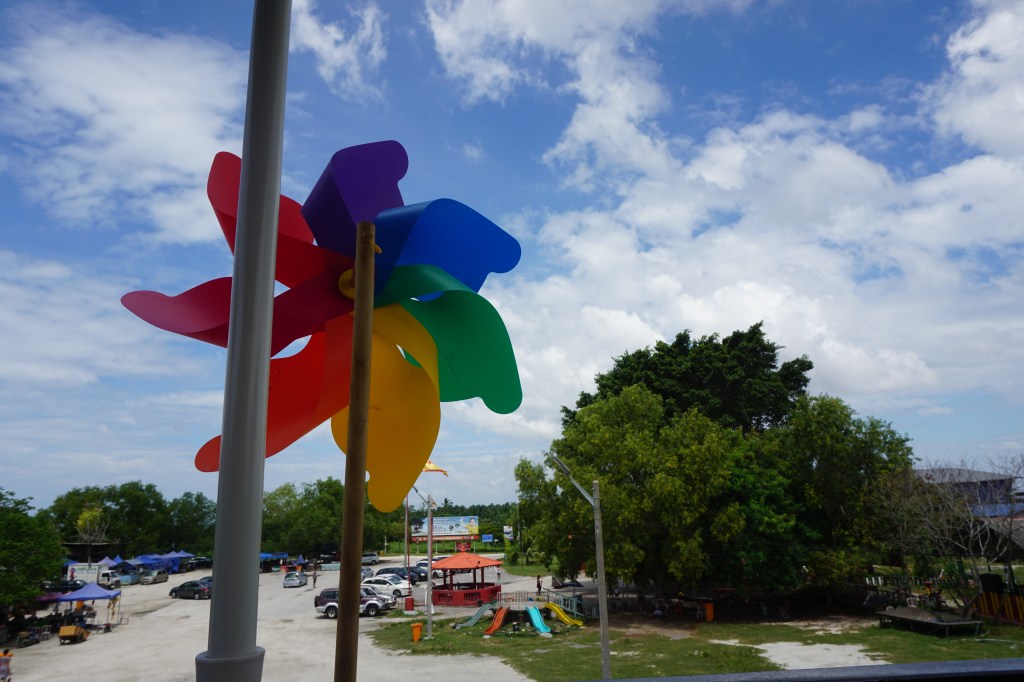
You can also spoil yourself with choices of cheap and delicious seafood! Try to get someone local to go with you to get around to ordering. Besides that, you can make your way to Redang beach (not to be confused with Redang Island) where they’ve put up stalls selling some local goodies, a wide beach with people playing kites on windy days and a nearby temple with a wishing tree.
THINGS TO DO
- Make pit stops in small towns along the way eat the local food. It is always good to walk around for a bit. Most towns in Perak are quite similar but each has its own unique character
- If you’re up for some adventure (south-east asia style), make your way to Slim River. It is very famous for white water rafting. Bring appropriate clothing. Check it out
- If you had to choose any town for a few days stay, I’d recommend Ipoh. This is because Ipoh is a bigger town, more choices of hotels, food and more sights and sounds. It is central and a drive away from a lot of places worth visiting:
- If caving is your kind of thing, make your way to Gua Tempurung (Tempurung caves), the largest limestone cave in Peninsular Malaysia. I’ve been there myself and I must say it’s definitely worth it. Find out more here
- While you’re in Ipoh, you may want to tour some of the famous temples around. They are huge and surrounded with beautiful gardens. At the same time, take time to do the Ipoh Heritage Trail
- Take a day off to relax in Banjaran Hotsprings (I warn you though, the prices are quite steep)
- Make your way to Batu Gajah, visit the one of the very few English castles still standing in Malaysia, Kellie’s castle.
- Perak is also known for its nearby islands. Pangkor Island is a relatively big island with plenty of resorts and a small town offering cheap seafood. If you want something a little bit more luxurious, head over to Pangkor Laut Island. This island was rated one of the top 10 islands to see in Malaysia and has the occasional visits from celebrities.
- Have the cheap seafood, cooked in unique Malaysian style. Mostly stir-fried, with chilli or some oyster sauce.
- Whilst in Sekinchan, stop by Paddy Processing Factory & Gallery for an informative tour on the rice making process. A small fee is required but it comes with a small packet of local rice; totallly worth it! They don’t sell their rice in the local markets, so you can only get them there.
 Eat, Sleep, Travel, Repeat